

Renting a home in the UK gives you important tenant legal rights in uk, but it also comes with responsibilities. As a tenant, you have the right to live in a safe property, know the terms of your rental agreement, have your deposit protected where the law requires it, and be treated fairly by your landlord or letting agent. At the same time, you are responsible for paying rent on time, looking after the property, reporting repairs, following the tenancy agreement, and respecting neighbours.
This guide explains tenant rights and responsibilities in the UK in a clear and practical way. It is useful for first-time renters, students, private tenants, international renters, and anyone trying to understand landlord tenant laws UK in simple terms.
One important point comes first: renting rules are not exactly the same across the UK. England, Wales, Scotland, and Northern Ireland each have their own housing rules. This guide gives a broad UK overview, with extra attention to England because major private renting changes are due to start there from 1 May 2026 under the Renters’ Rights Act 2025, including the abolition of Section 21 “no fault” evictions for private rentals in England.
Quick overview
This article explains Tenant Rights and Responsibilities in the UK in a simple, practical way. It also covers tenant responsibilities UK, landlord tenant laws UK, and main rental agreements UK rules tenants should know before and during a tenancy. It is useful for first-time renters, students, private tenants and international renters.
Key Areas Covered:
✅ Your main tenant legal right in UK.
✅ the most important tenant responsibilities UK.
✅Basic landlord tenant laws uk
✅What to check in rental agreements UK rules
✅A practical renting rights UK Guide for everyday renting
Understanding Your Tenancy Agreement
Your tenancy agreement is the main document that sets out the rules between you and your landlord. It usually explains the rent, deposit, length or type of tenancy, repair responsibilities, notice rules, and what you can or cannot do in the property. Understanding this is a key part of Tenant Rights and Responsibilities in the UK.
In England, many private renters have historically had an Assured Shorthold Tenancy, often called an AST. However, from 1 May 2026, the Renters’ Rights Act 2025 changes the position for private rentals in England by ending assured shorthold tenancies and moving private rented tenancies into a new assured periodic model.
This matters because tenants should understand what kind of agreement they have. A tenancy agreement is not just a formality. It affects how rent increases work, how notices are served, how repairs are handled, and how the tenancy may end.
In Wales, renters are generally known as contract-holders under the Renting Homes (Wales) Act 2016, and the agreement is usually called an occupation contract. In Scotland, most new private tenancies since 1 December 2017 have been Private Residential Tenancies, which are open-ended and give tenants more security than older short assured tenancy models.
Before signing any rental agreement, you should read it carefully. Check the rent amount, payment date, deposit amount, notice period, bills, permitted occupiers, rules on pets, rules on smoking, and any restrictions on decorating or making changes. If something is unclear, ask before you sign. These are all part of the rental agreements UK rules you should understand before moving in.

Your Right to a Safe and Habitable Home
One of the most important renting rights UK guide topics is your right to live in a property that is safe and fit to occupy.
A landlord cannot simply hand over the keys and ignore the condition of the home. In England, the landlord is usually responsible for repairs to the structure and exterior of the property, heating and hot water, basins, sinks, baths, toilets, pipes, drains, gas appliances, electrical wiring, and damage caused by the landlord during repair work. That is one of the most important parts of Tenant Rights and Responsibilities in the UK.
This means tenants should not normally be expected to pay for major repairs to the building itself. If the roof leaks, the boiler stops working, the electrical wiring becomes unsafe, or the bathroom plumbing fails through no fault of the tenant, the landlord is usually responsible. A good renting rights UK guide should always start with these basic protections.
However, tenants also have responsibilities. You must use the property in a reasonable way. You should not damage the property, misuse appliances, block drains through careless use, or ignore problems until they become worse. If you notice a repair issue, report it as soon as possible and keep a record of your message. If your home is unsafe or badly maintained, landlord tenant laws UK give you a legal basis to raise the issue.
A simple repair report should include:
- The date you noticed the problem
- A clear description of the issue
- Photos or videos where useful
- Whether the problem is urgent
- Any effect on heating, water, safety, or basic living conditions
This protects both sides. It gives the landlord a fair chance to arrange repairs and gives you proof that you reported the problem.
Deposit Rights
Your tenant rights and responsibilities in the UK includes understanding how your deposited money is handled. Your deposit is used as security against unpaid rent, damage, or other valid deductions at the end of the tenancy. In England, where a tenant pays a deposit for a tenancy covered by the tenancy deposit rules, the landlord tenant laws Uk must usually protect it in a government-approved tenancy deposit protection scheme and provide the required information.
Deposit protection matters because it reduces the risk of unfair deductions. If there is a dispute at the end of the tenancy, the scheme can help decide what should happen to the money.
A landlord can usually claim from a deposit for things such as unpaid rent, missing items, damage beyond fair wear and tear, or cleaning where the tenant has not left the property in the agreed condition. However, a landlord should not deduct money simply because the property looks older through normal use.
For example, a carpet naturally wearing down after years of normal living is different from a tenant burning or badly staining it. This idea is often called fair wear and tear.
To protect yourself, take photos when you move in and when you move out. Check the inventory carefully. If something is already damaged when you arrive, report it in writing. At the end of the tenancy, clean the property properly, return all keys, and keep proof of your final rent payments.
Rent and Rent Increases
Paying rent is one of the main tenant responsibilities UK renters must take seriously. Your tenancy agreement should state how much rent you pay, when it is due, and how it should be paid, this is an important part of understanding tenant rights and responsibilities in the UK.
If you do not pay rent on time, you may fall into arrears. This can damage your relationship with the landlord, affect your references, and in serious cases lead to possession action under landlord tenant laws UK.. If you are struggling to pay rent, do not ignore the problem. Speak to your landlord or letting agent early and seek advice from a housing charity, local council, or debt advice service if needed.
Rent increases depend on where you live and what kind of tenancy you have. In England, the Renters’ Rights UK guide Act 2025 introduces important private rented sector reforms from 1 May 2026, including changes to tenancy structure and rent increase rules. Government guidance confirms that from that date the Act will abolish assured shorthold tenancies and end Section 21 for private rentals in England.
Tenants should always check whether a rent increase has been made using the correct process. If you believe a rent increase is unfair or not legally valid, get advice before refusing to pay. The right response depends on your tenancy type, location, and the procedure used by the landlord, so it is important to understand your tenant legal rights UK.
Privacy and Quiet Enjoyment
As a tenant, you have the right to live in the property without unnecessary interference from the landlord. This is often called the right to quiet enjoyment and is one of the key parts of tenant rights and responsibilities in the UK.
This does not mean complete silence. It means your landlord should not disturb your lawful use of the home. They should not enter whenever they like, turn up repeatedly without proper reason, pressure you to leave, or interfere with your normal occupation of the property under landlord tenant laws UK.
Landlords usually need to give reasonable notice before entering for inspections, repairs, or viewings, except in genuine emergencies. In Northern Ireland, official guidance says the landlord is entitled to inspect and carry out repairs, but should give the tenant reasonable notice before doing so. These rules are part of the wider rental agreements UK rules tenants should understand.
Tenants also have responsibilities here. If the landlord gives proper notice for a reasonable inspection or repair visit, you should cooperate. If the time is unsuitable, respond politely and suggest an alternative. Do not simply ignore access requests, especially where urgent repairs or safety checks are involved. This is an important part of your tenant responsibilities UK.
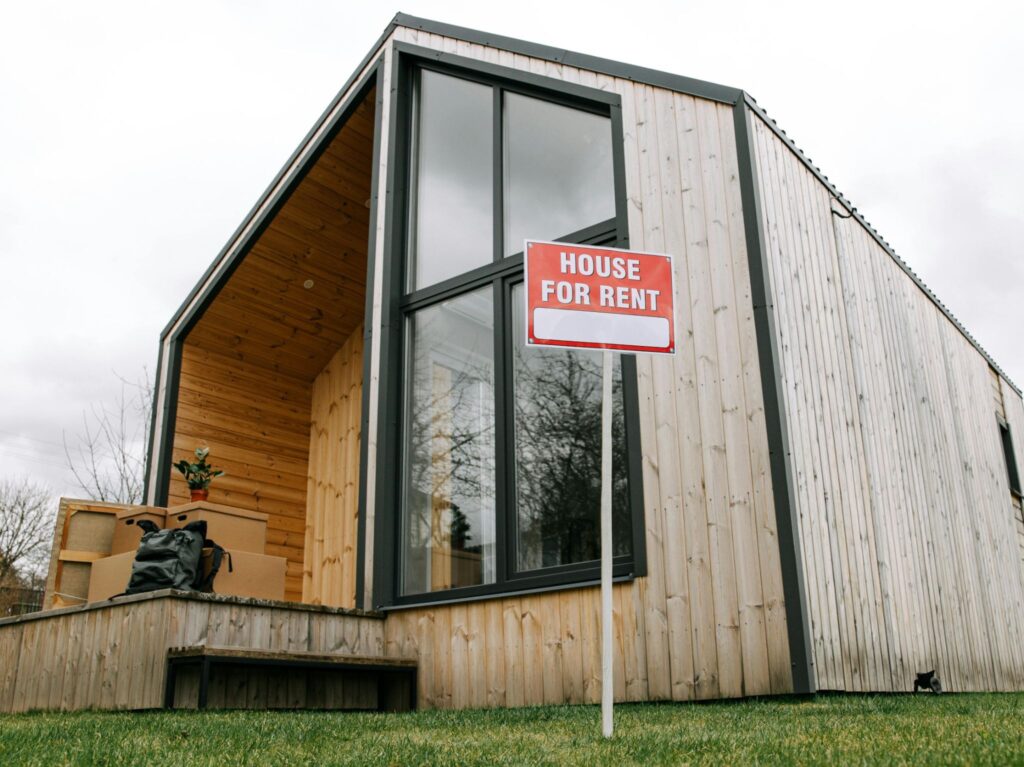
Repairs: What Tenants Should and Should Not Do
Tenants are usually responsible for small day-to-day care. A major part of landlord tenant laws UK is repair responsibility. This may include keeping the property clean, changing light bulbs where safe and reasonable, using heating and ventilation sensibly, taking out rubbish properly, and avoiding damage. That is one of the most important parts of tenant rights and responsibilities in the UK.
You should not try to carry out major repairs yourself unless the landlord has agreed and it is safe and lawful. For example, you should not attempt electrical, gas, structural, or boiler repairs. These should be handled by suitable professionals.
If you arrange repairs without permission, you may struggle to recover the cost. In some cases, you may even create further problems if the work is not done properly. The safer approach is to report the issue, keep evidence, follow up in writing, and seek advice if the landlord fails to act.A good renting rights UK guide should always start with these basic protections.
If a repair issue affects health or safety, such as dangerous electrics, no heating in cold weather, serious damp, mold, leaks, or structural problems, you should treat it seriously and landlord tenant laws UK gives you a legal basis to raise the issue. If the landlord does not respond, your local council may be able to help in many cases.
Tenant Responsibilities Inside the Property
Your rights are important, there are clear tenant responsibilities Uk renters must follow. A tenancy is a two-way legal relationship.
Common tenant responsibilities UK include:
- Paying rent on time
- Paying bills you are responsible for
- Keeping the property reasonably clean
- Reporting repairs promptly
- Avoiding damage
- Not causing nuisance or antisocial behaviour
- Allowing reasonable access for repairs and inspections
- Following the tenancy agreement
- Not subletting without permission
- Leaving the property in the correct condition at the end of the tenancy
If you live in a shared house or House in Multiple Occupation, often called an HMO, there may be extra rules about shared areas, fire safety, rubbish, and occupancy. HMOs are often subject to additional licensing and safety requirements.
You should also respect neighbours. Repeated noise, threats, damage, illegal activity, or antisocial behaviour can put your tenancy at risk. Many tenant responsibilities Uk are about basic care and communication. Even if you are paying rent, serious breach of tenancy terms can lead to action by the landlord.
Ending a Tenancy
How a tenancy ends depends on the type of tenancy and where in the UK the property is located.
In England, the position is changing significantly from 1 May 2026 for private rentals. Government guidance confirms that the Renters’ Rights Act 2025 will end Section 21 “no fault” evictions in the private rented sector and abolish assured shorthold tenancies.These rules are changing in England, so it is especially important to keep up with the latest landlord tenant laws UK. That makes tenant rights and responsibilities in the uk a topic you should revisit over time.
This does not mean landlords can never recover their property. It means they must use lawful grounds and follow the proper process. For example, landlords may still have routes where there are serious rent arrears, antisocial behaviour, breach of tenancy, or where the law allows possession for other reasons.
Tenants also need to give proper notice if they want to leave. Do not assume you can simply move out and stop paying rent. Check your agreement and the rules that apply to your tenancy. If you leave without proper notice, you may still owe rent. This is why understanding rental agreements uk rules matters from the start.
Before moving out, you should:
- Give notice in the correct way
- Pay rent up to the correct date
- Clean the property
- Remove your belongings
- Return keys
- Take final meter readings
- Update utility providers
- Keep photos of the property condition
- Provide a forwarding address if needed
Good end-of-tenancy preparation can reduce deposit disputes.

What to Do if Your Landlord Breaks the Rules
If your landlord does not follow landlord tenant laws Uk, start by keeping evidence. Save emails, messages, photos, videos, rent receipts, repair reports, inspection records, and any notices you receive. Good records help protect your tenant rights and responsibilities in the Uk and make it easier to prove what happened.
If the problem is minor, a clear written message may solve it. If the issue is serious or repeated, you may need advice. Depending on the problem, you can contact a local council, tenancy deposit scheme, redress scheme, housing charity, solicitor, or tribunal/court service.
Official GOV.UK guidance for renting rights UK guide also confirms that tenants in private rented property have rights and responsibilities covering repairs, rent increases, rent arrears, deposits, HMOs, student renting, antisocial behaviour, and complaints.
For example, if your landlord refuses to carry out essential repairs, the local council may be able to inspect the property or take enforcement action. In Northern Ireland, official guidance also says tenants can ask the council for help if the landlord will not do certain repairs or if there is a deposit repayment problem.
If the issue concerns your deposit, use the relevant deposit protection scheme’s dispute process where available. If the issue concerns illegal eviction, harassment, serious disrepair, discrimination, or safety, get proper advice quickly. These steps are important for protecting your tenant legal rights UK.
Special Points for Students and First-Time Renters
Students and first-time renters should be especially careful before signing a rental agreement. Many problems start because tenants rush into a property without understanding the terms.This is why rental agreements Uk rules matter so much before you move in.
Before signing, check:
- How much rent is due
- Whether bills are included
- How much deposit is required
- Whether a guarantor is needed
- Who is responsible for council tax
- Whether the property is licensed if it is an HMO
- What happens if one housemate leaves
- Whether there are break clauses
- Whether the landlord or agent is reputable
- What fees or charges are allowed
If you are renting with friends, remember that joint tenancies can create shared responsibility. If one person does not pay rent, the others may still be responsible depending on the agreement. This is one of the most common issues in student housing and shows why understanding tenant responsibilities UK is so important.
Do not rely only on verbal promises. If the landlord says they will fix something before you move in, ask for it in writing. That simple step can help protect your tenant legal rights Uk and avoid disputes later.

Practical Checklist for Tenants
A good tenant protects their rights by staying organised. Keep a simple folder, either digital or physical, with all key documents. This makes it easier to follow tenant rights and responsibilities in the UK and deal with problems quickly if they come up.
Your folder should include:
- Tenancy agreement or occupation contract
- Deposit protection information
- Inventory and check-in report
- Photos from move-in day
- Rent payment records
- Repair reports
- Landlord or agent contact details
- Safety certificates where provided
- Council tax and utility information
- Any notices received or sent
This may feel like extra work, but it can save you stress later. If there is a dispute, evidence matters. A clear record is one of the best ways to protect your tenant legal rights Uk under landlord tenant laws UK.
You should also communicate politely and clearly. Emotional messages may feel satisfying in the moment, but calm written communication is usually more effective. State the problem, give dates, attach evidence, and ask for a clear response.This is one of the most practical habits in any renting rights UK guide.
Final Thoughts
Understanding tenant rights and responsibilities in the UK helps you rent with more confidence. Your landlord has important duties, including providing a safe property, respecting your privacy, protecting your deposit where required, and following the correct legal process. You also have important tenant legal rights UK along with duties, including paying rent, caring for the property, reporting repairs, and following your rental agreement.
The most important thing is to know that renting is a legal relationship, not just a casual arrangement. If you understand your agreement, keep records, communicate clearly, and seek advice early when problems arise, you are in a much stronger position.
Landlord tenant laws Uk is also changing, especially in England from 1 May 2026 under the Renters’ Rights Act 2025. Tenants, landlords, letting agents, and property managers should all stay updated because the rules around tenancy types, eviction, and rent increases are moving into a new phase. Check your rental agreements UK rules, and follow the agreement.
Whether you are a student, a first-time renter, a family tenant, or an international renter, the same basic principle applies: know your rights, meet your responsibilities, and keep everything in writing. Always follow the practical renting rights UK guide, you will be in a much stronger position throughout your tenancy.